Indonesia
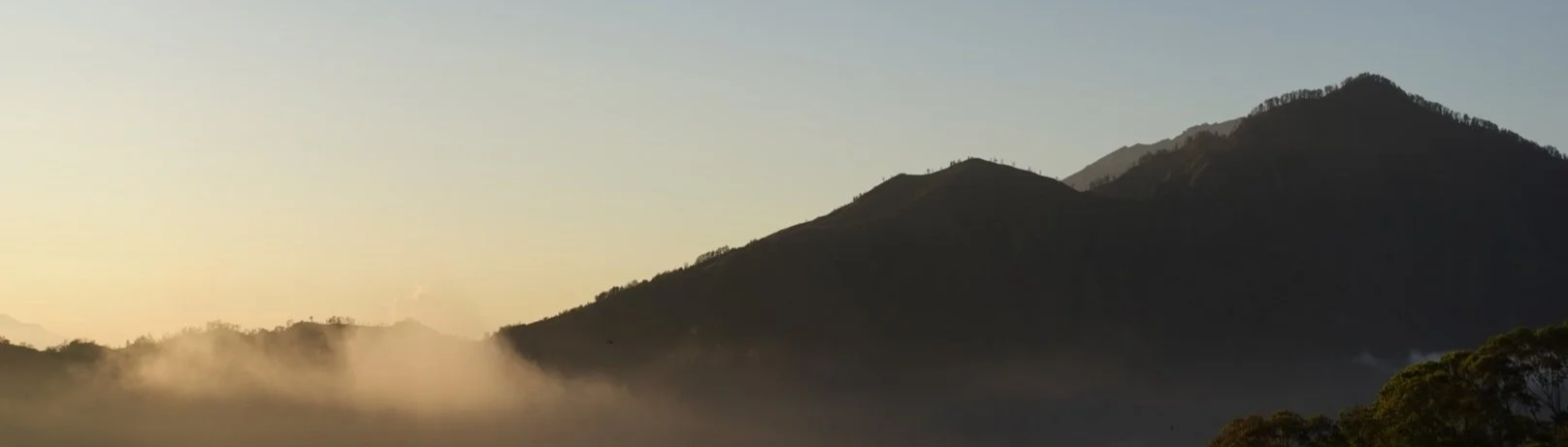
If there’s one country that completely changed the way I travel, it’s Indonesia. I didn’t arrive with a perfect plan or a colour coded schedule. I went because everyone told me “you’re going to love it”, and they were right. Indonesia pulls you in with its chaos, its beauty, its kindness, and its absolute unpredictability. It’s the kind of place where you can wake up at 2am to climb a volcano, spend the afternoon swimming with turtles, and end the day eating £2 noodles on the beach with people you met five minutes ago. And somehow, it all just works.
What no one tells you is just how huge and diverse Indonesia really is. With more than 17,000 islands, it’s a country made up of completely different worlds — from the volcanic landscapes of Java, to Bali’s temples and rice terraces, to the coral‑rich waters of Raja Ampat, the ancient rainforests of Sumatra, the tribal cultures of Sulawesi, and the untouched, otherworldly beauty of Flores and West Papua. Every island has its own rhythm, its own traditions, its own food, and its own way of life. You can go from buzzing cities to remote villages, from surf beaches to dense jungle, from spiritual ceremonies to chaotic night markets, all in the same trip.
Indonesia is one of those rare places that offers something for every kind of traveller from adventure, culture, nature, wildlife, diving, food, spirituality, and moments of pure calm. Whether you’re travelling solo, with friends, or as part of a group, it’s a country that keeps you curious, keeps you moving, and leaves space for the spontaneous moments that make travel unforgettable.
Facts
Official Language: Bahasa Indonesian
Currency: Indonesian Rupiah (IDR)
Religion: Muslim, Islam, Christianity, Hinduism
Time Zones: WIB, WITA, WIT
Power Outlet: European Style (Type C & F)
Drinking Water: Tap water is not drinkable.
Capital City: Jakarta (Java Island)
VISA Rules: VOA (Most Common)
Payments: Cash (Card is very rarely used)
Seasons
Dry Season: May - September
Monsoon Season: October - April
Best Visiting Time: During the dry season from May to September. The weather is warm, sunny, and less humid, making it ideal for beaches, diving, hiking, and island hopping. Seas are calmer, ferries run more reliably, and visibility is at its best for snorkelling and diving. It’s also the safest time for volcano hikes and outdoor adventures. June to August is the most popular period, but the whole dry season offers consistently great conditions for exploring the country.
Popular iSLANDS
East Java A dramatic, adventure‑filled region famous for volcano sunrises, raw landscapes, and authentic local culture.
Bali Indonesia’s most iconic island, blending beaches, temples, rice terraces, waterfalls, and a lively travel scene.
Lombok A quieter, less crowded alternative to Bali with stunning beaches, surf spots, and the towering Mount Rinjani.
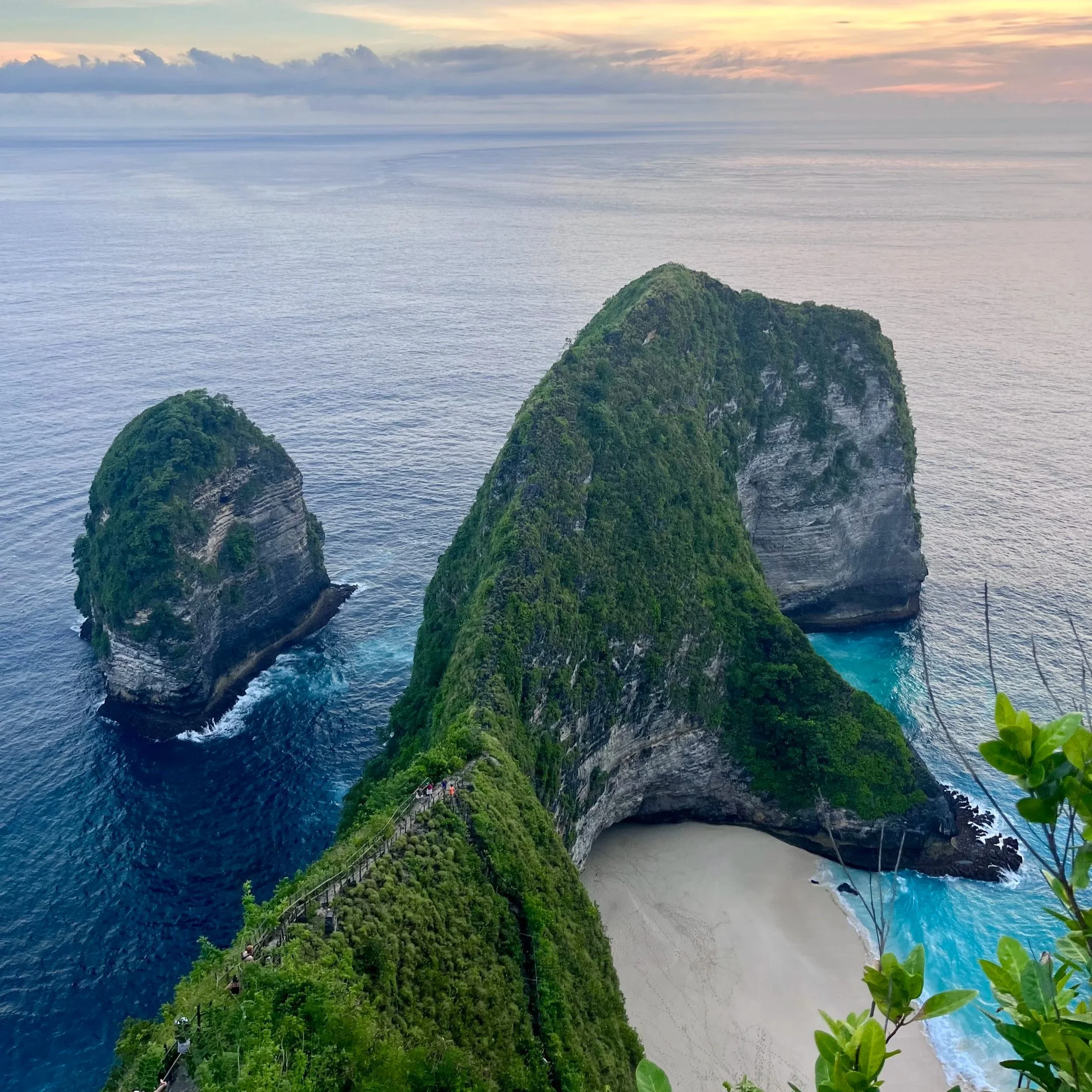
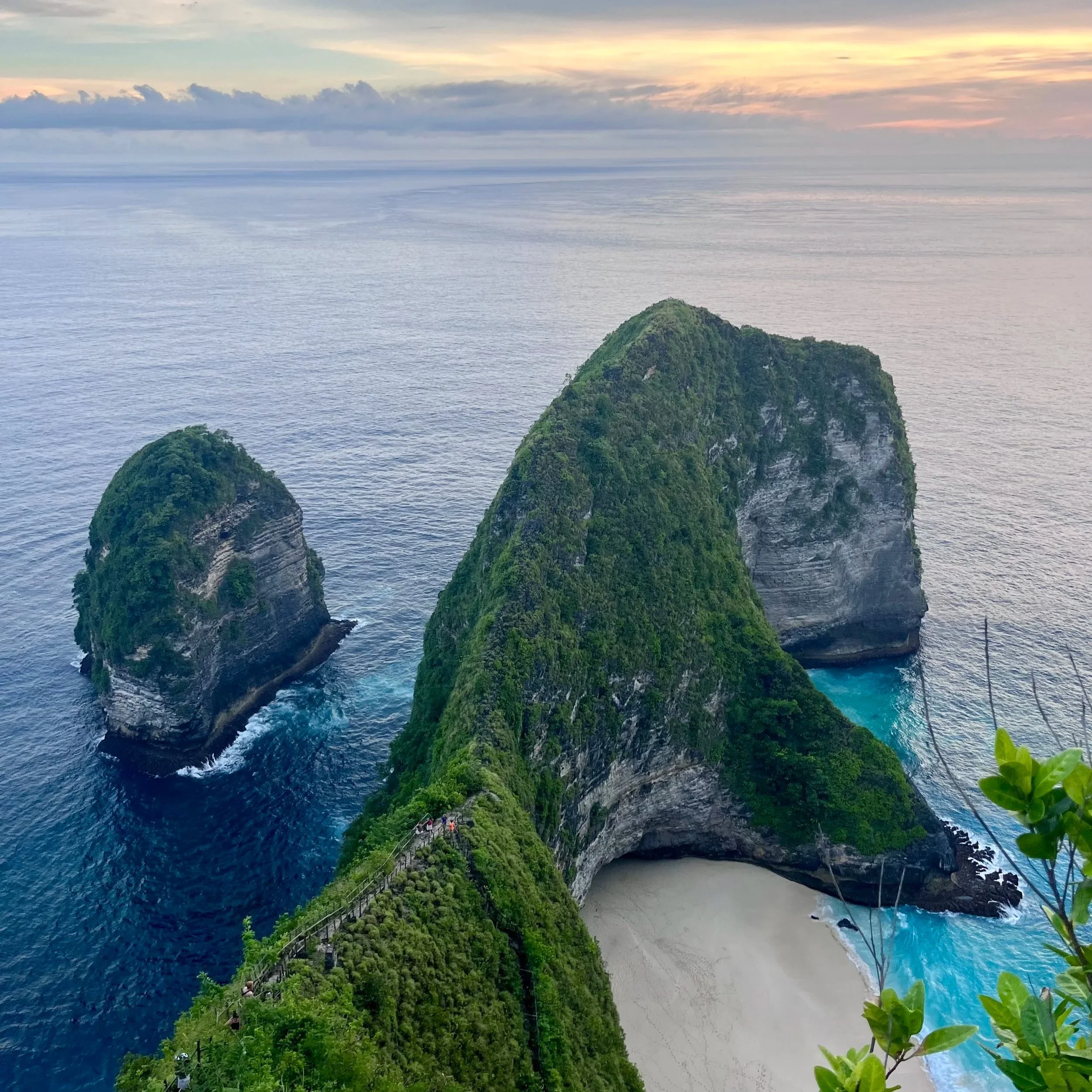
Nusa Penida A rugged island of cliffs, blue water, and epic viewpoints, perfect for short trips from Bali.
Gili Islands Three small, car‑free islands known for clear water, turtles, beach bars, and a laid‑back island vibe.
Komodo Islands A wild, rugged chain of islands known for Komodo dragons, pink‑sand beaches, and some of the best diving and snorkelling in Indonesia.
Raja Ampat A remote, untouched paradise known for having some of the richest marine life and best diving on the planet.
WILDLIFE
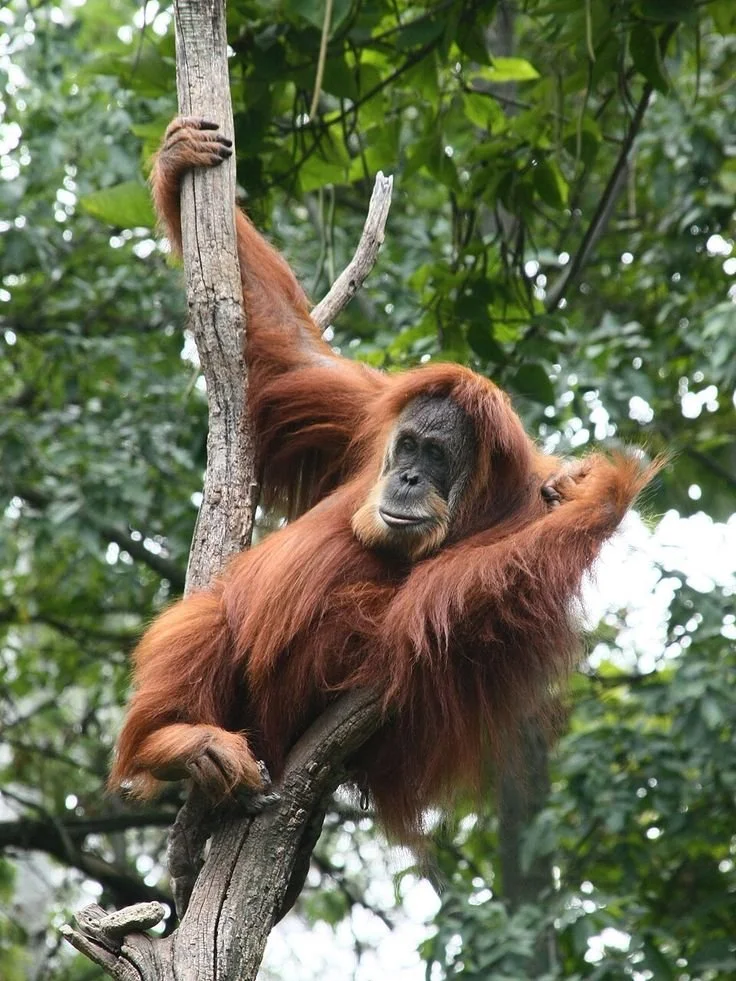
Orangutangs Gentle, intelligent great apes found in the rainforests of Sumatra and Borneo, often seen swinging through the canopy or visiting feeding platforms.
Komodo Dragons The world’s largest lizards, roaming freely across the Komodo Islands with a prehistoric, almost unreal presence.
Manta Rays Graceful giants that glide through the waters of Komodo and Nusa Penida, offering unforgettable snorkelling and diving encounters.
Sea Turtles Common around the Gili Islands and Nusa Penida, where you can often swim alongside them just metres from the beach.
Proboscis Monkeys Quirky, big‑nosed monkeys found in Borneo’s mangrove forests, known for their comical expressions and loud calls.
Sumatran Tigers Critically endangered and incredibly elusive, living deep in Sumatra’s dense jungles.
Rhinoceros Hornbills Striking birds with huge colourful beaks, often spotted flying loudly over the forests of Borneo and Sumatra.
Whale Sharks Gentle filter‑feeding giants found in places like Cenderawasih Bay, where they sometimes swim close to boats.
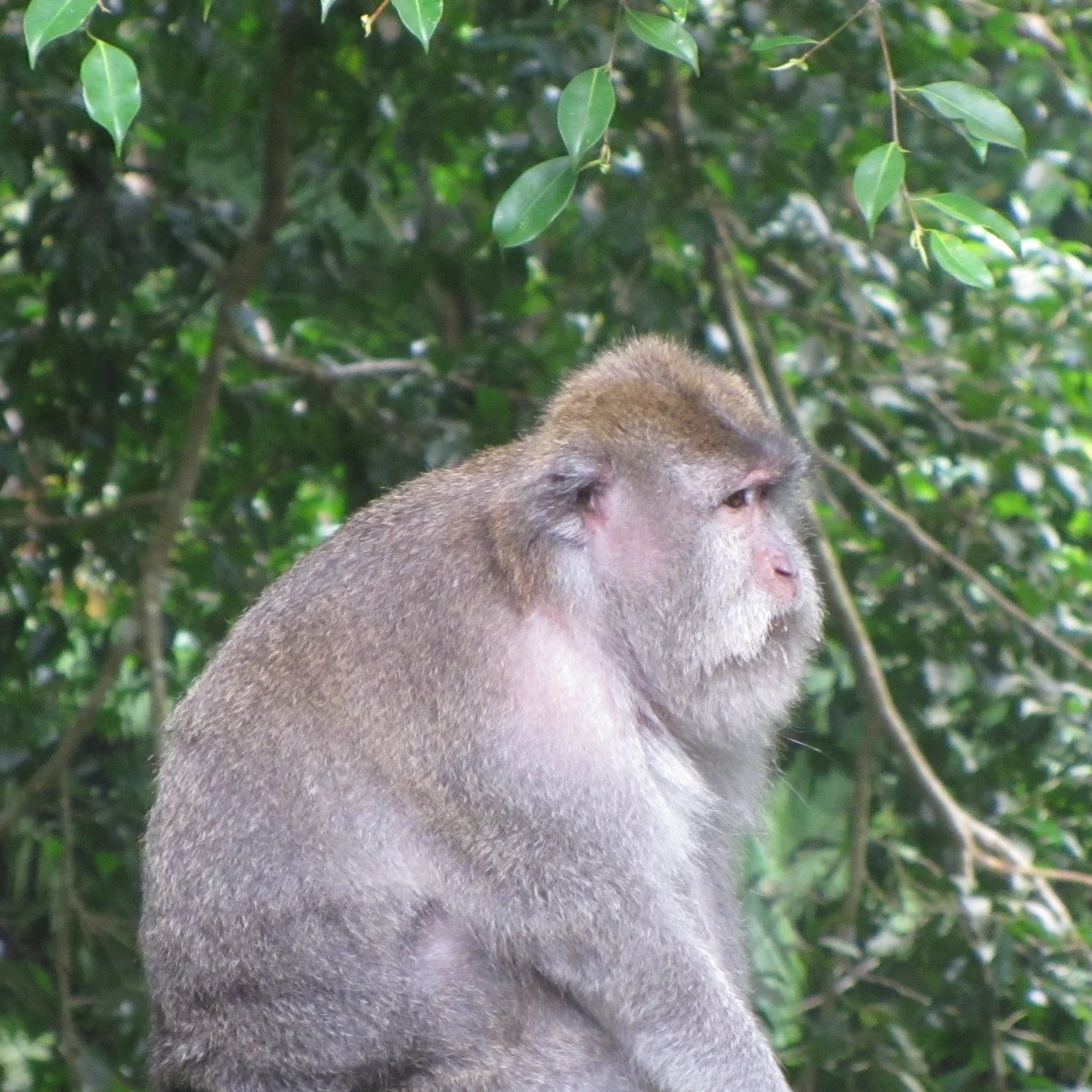
Macque Monkeys Playful monkeys commonly seen in Bali and Java, especially around temples and forest areas.
Sun Bears Small, tree‑climbing bears native to Sumatra and Borneo, known for their distinctive golden chest patch.
Birds of Paradise Bright, exotic birds found mainly in West Papua, famous for their elaborate feathers and dance displays.
Javan Rhino One of the rarest animals on Earth, with fewer than 80 left, living only in one protected corner of Java.
Transport
Taxis: GRAB and GOJEK are the easiest way to book motorbike taxis or cars, offering cheap, fast, app‑based transport in most urban areas.
Ferries: Regular ferries connect many coastal regions, with tickets often booked at the port or online through platforms like 12GO Asia.
Coaches: Long‑distance coaches run between major towns and cities, and can be booked online, through 12GO Asia, or directly at bus terminals.
Flights: Domestic flights are frequent and affordable, connecting major hubs across the country. You can compare flights on SKYSCANNER.
-
![]()
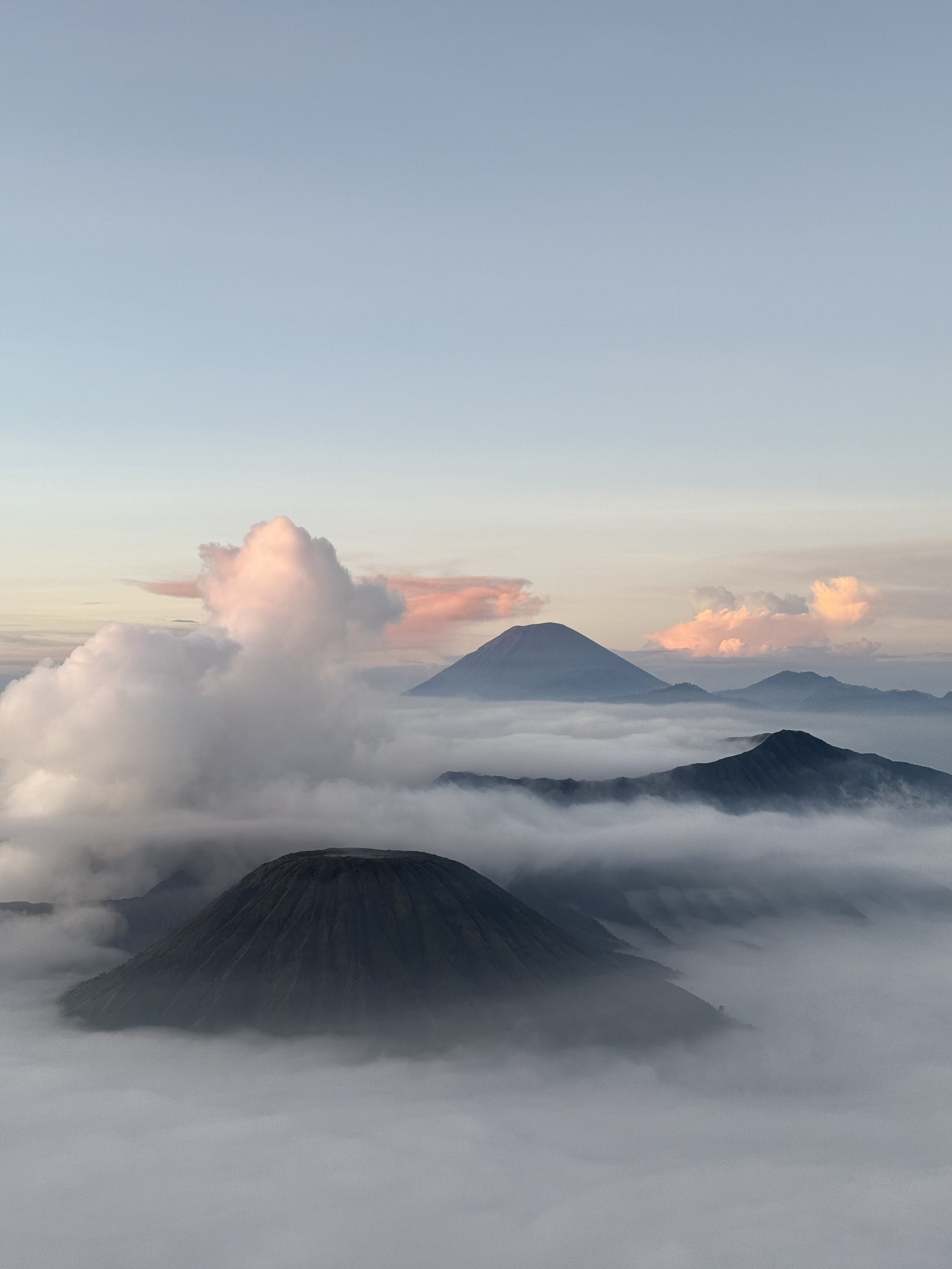
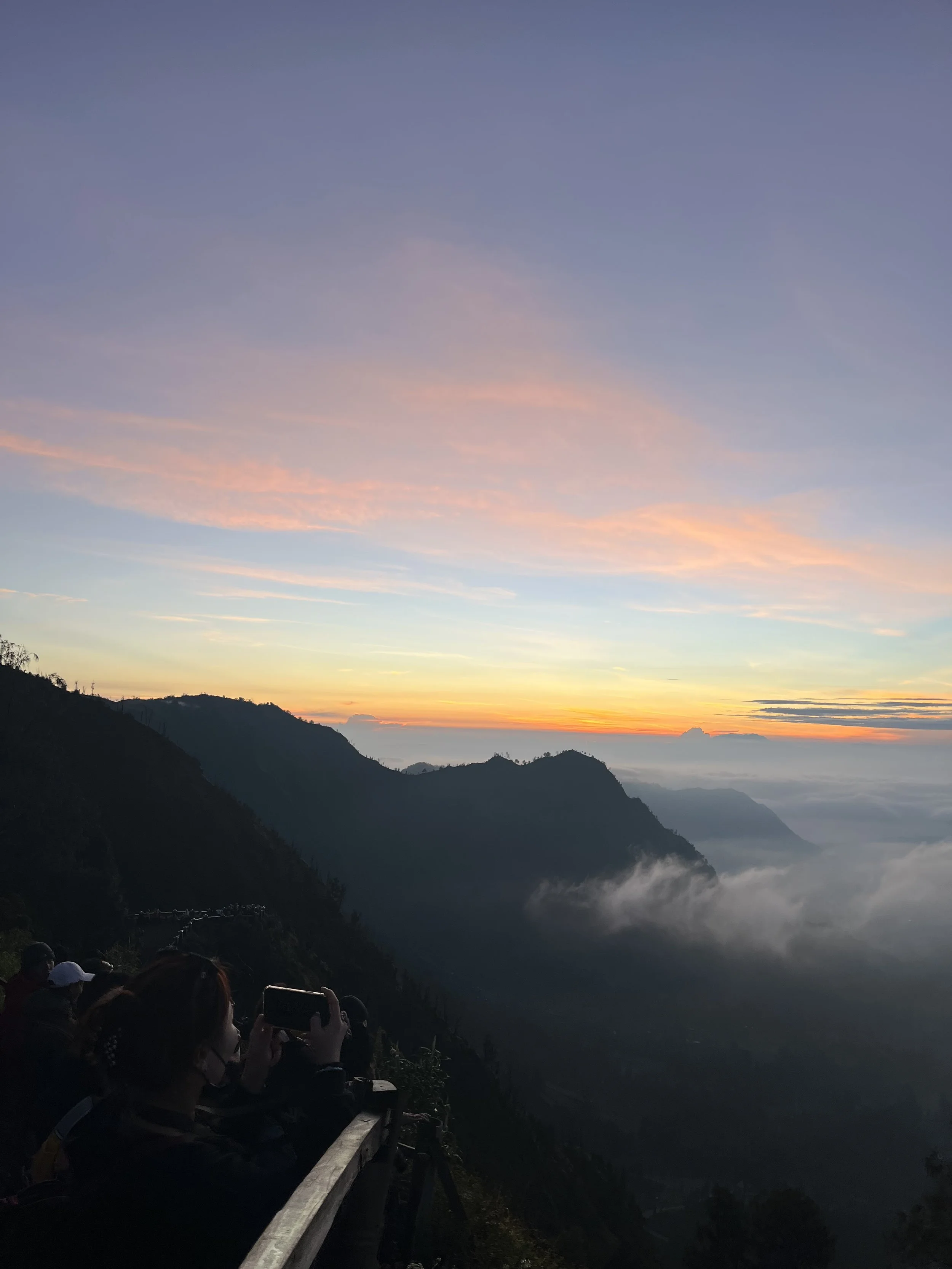
Mount Bromo
EAST JAVA
A surreal volcanic landscape known for its smoky crater, sweeping sand plains, and unforgettable sunrise views.
-
![]()
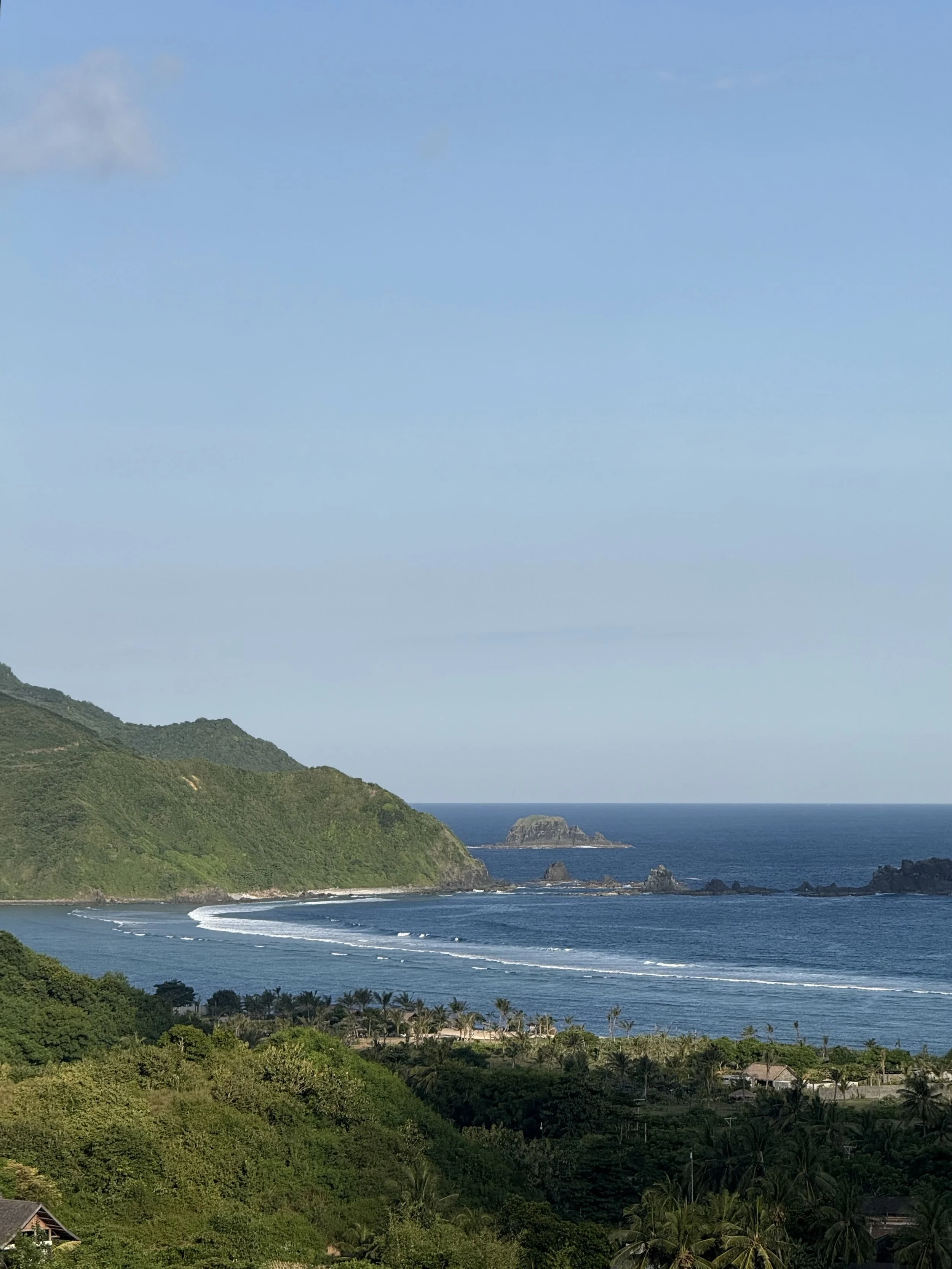
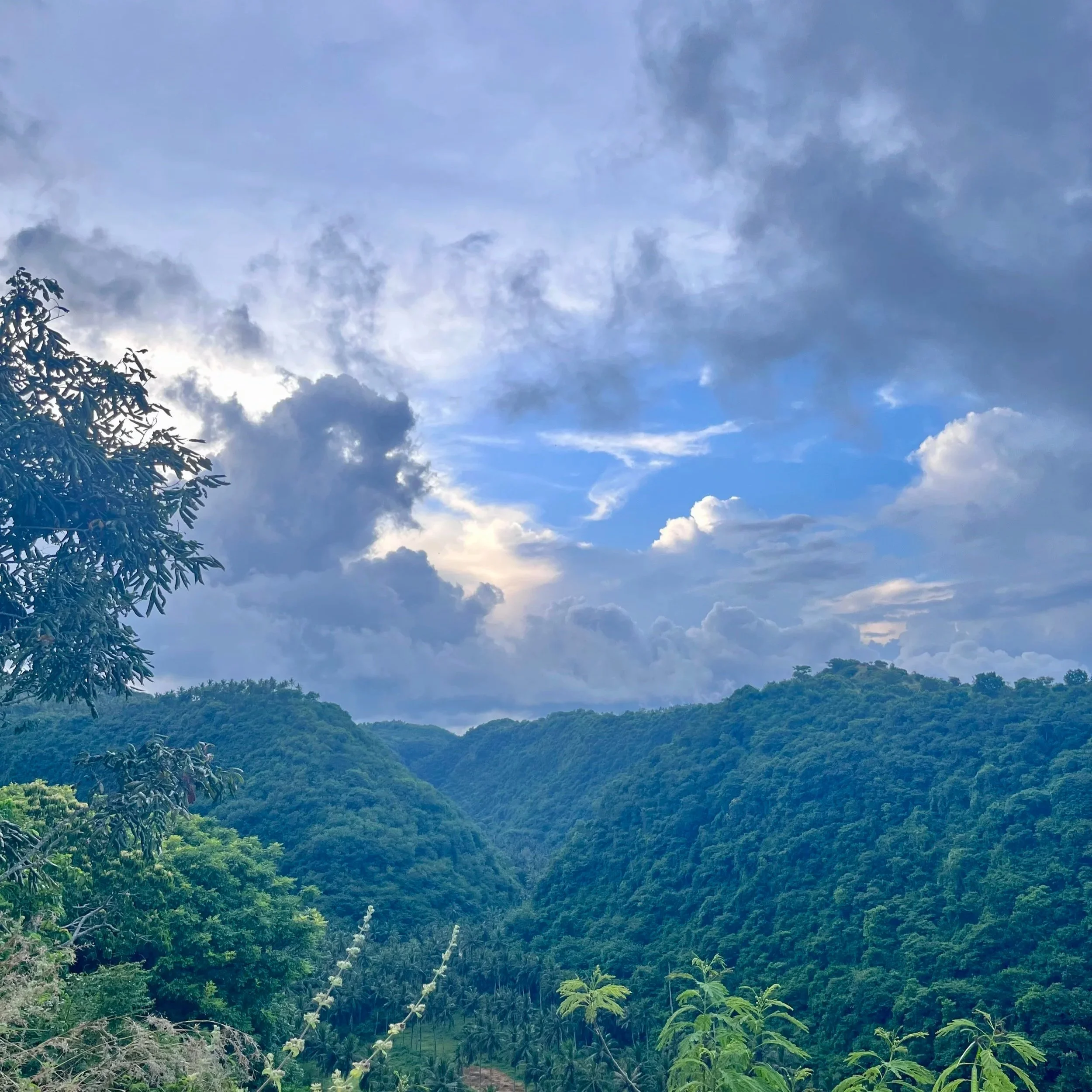
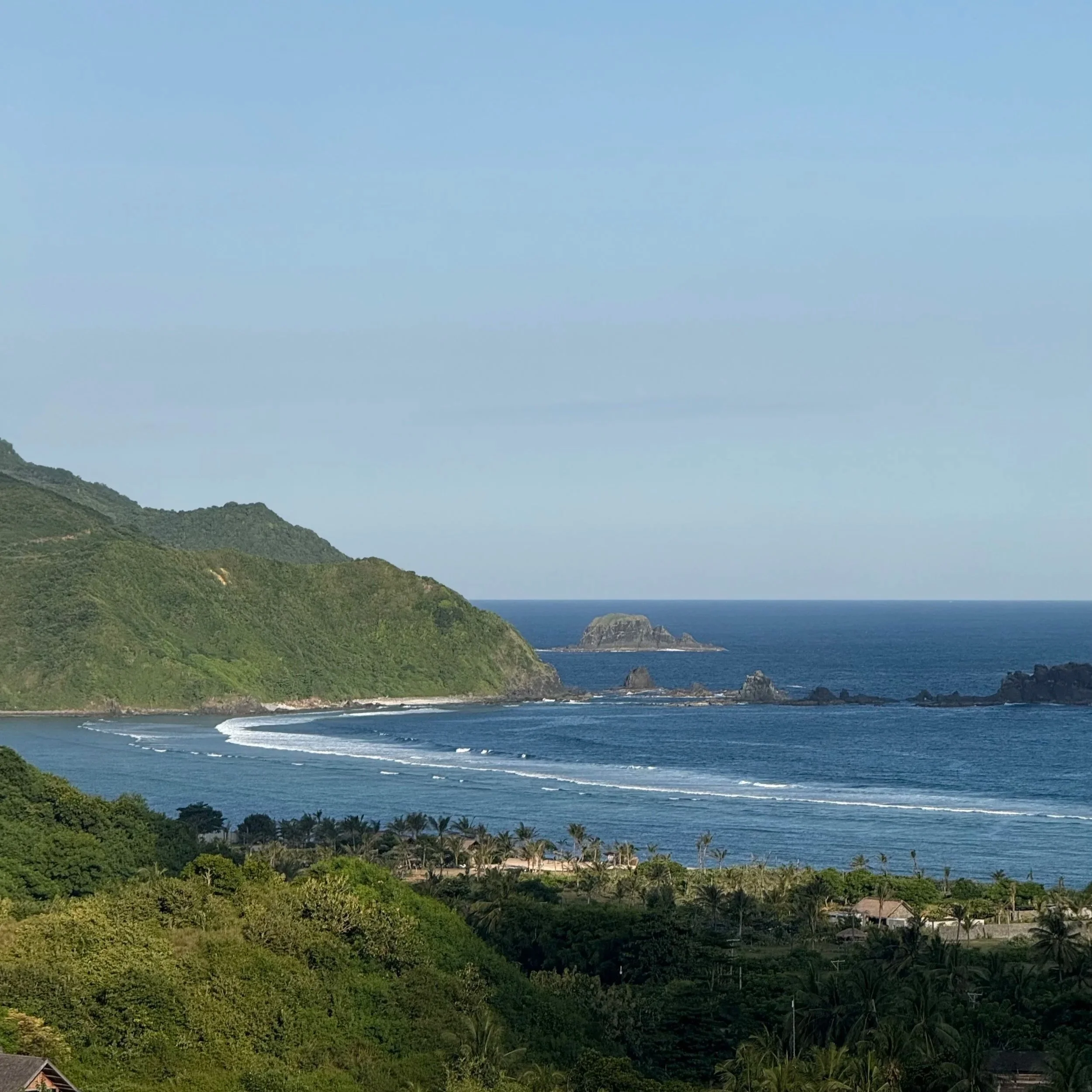
Pantai Hills
LOMBOK
A stunning clifftop viewpoint overlooking turquoise bays and rolling green hills, offering some of the most dramatic coastal scenery in Lombok.
-
![]()
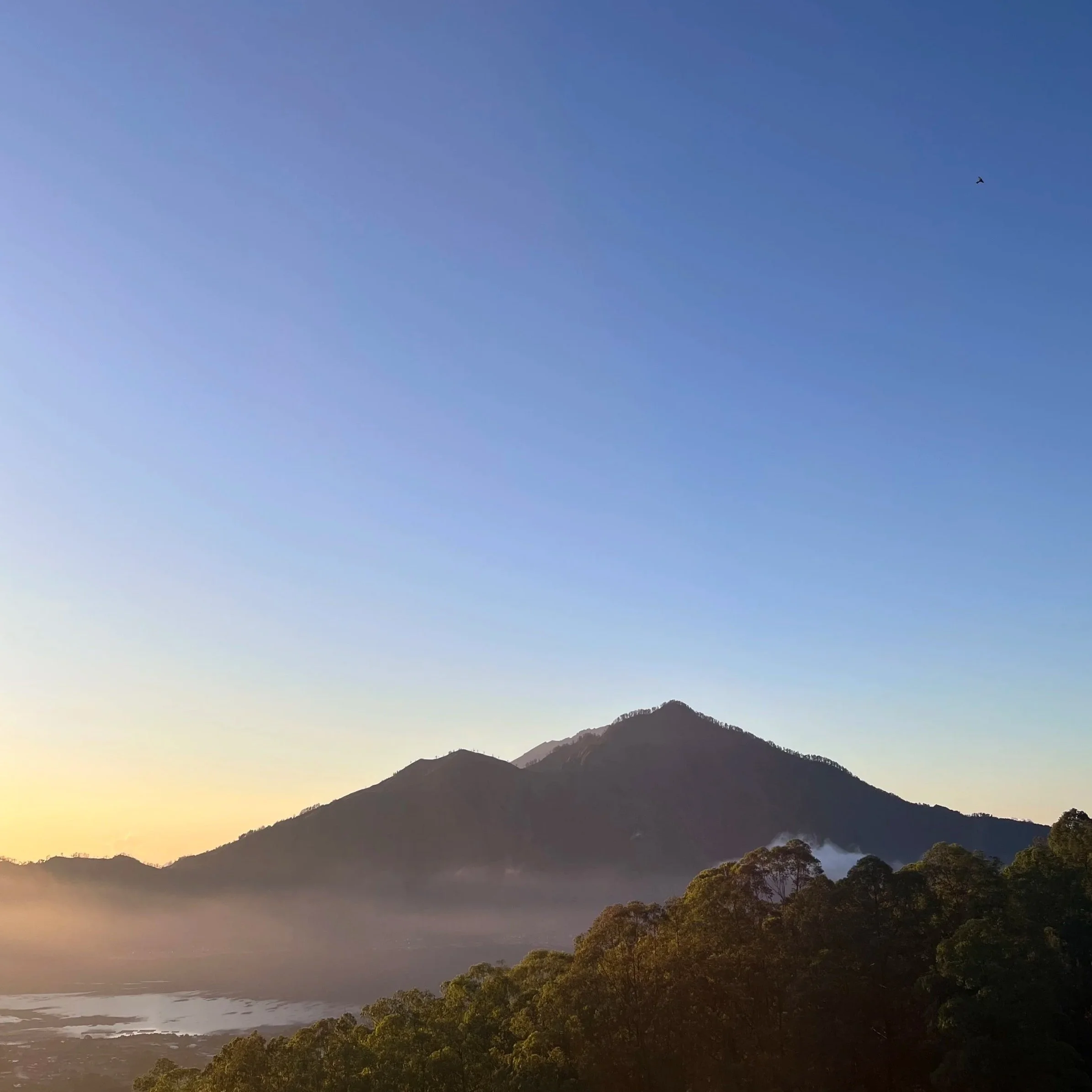
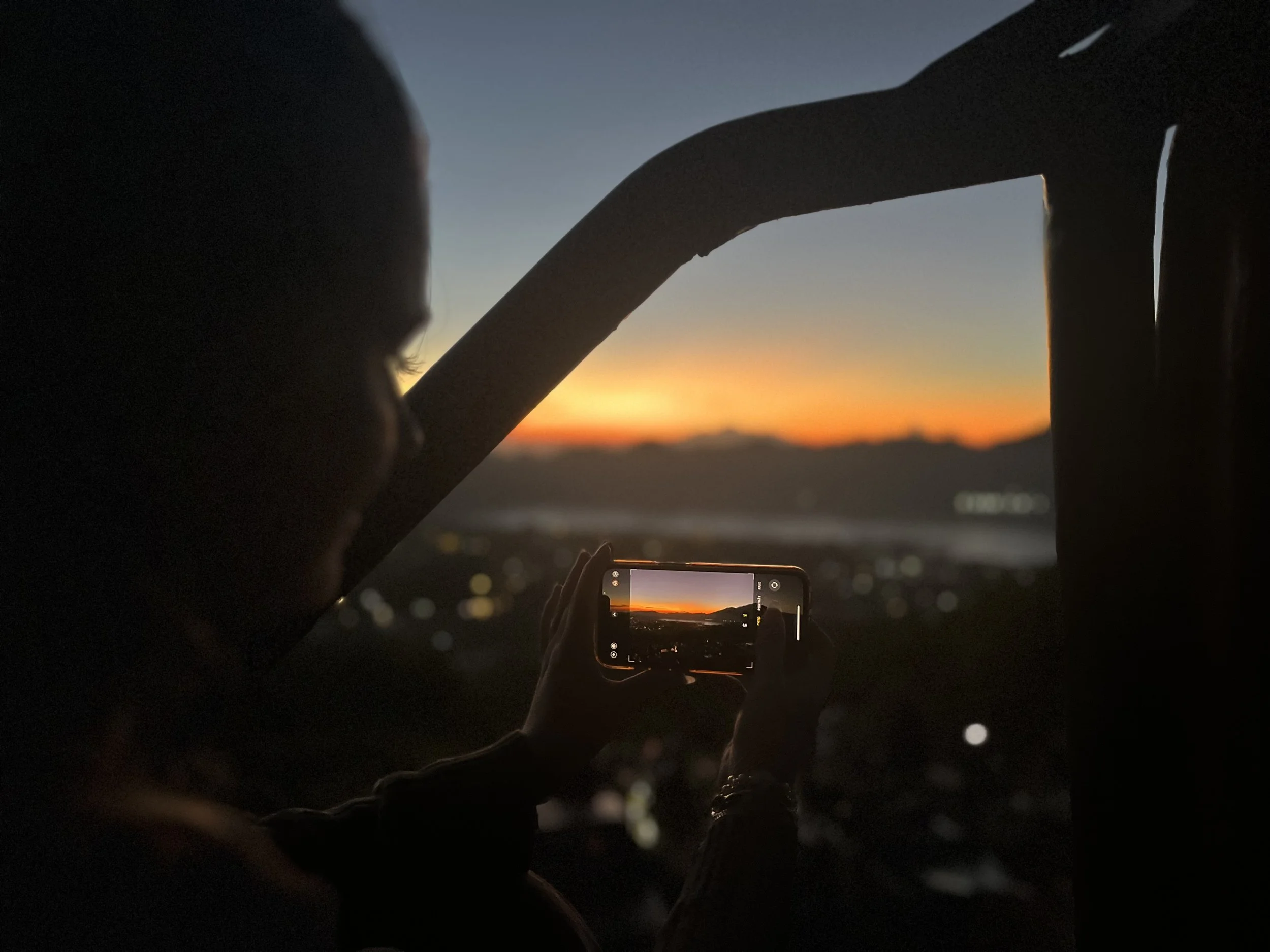
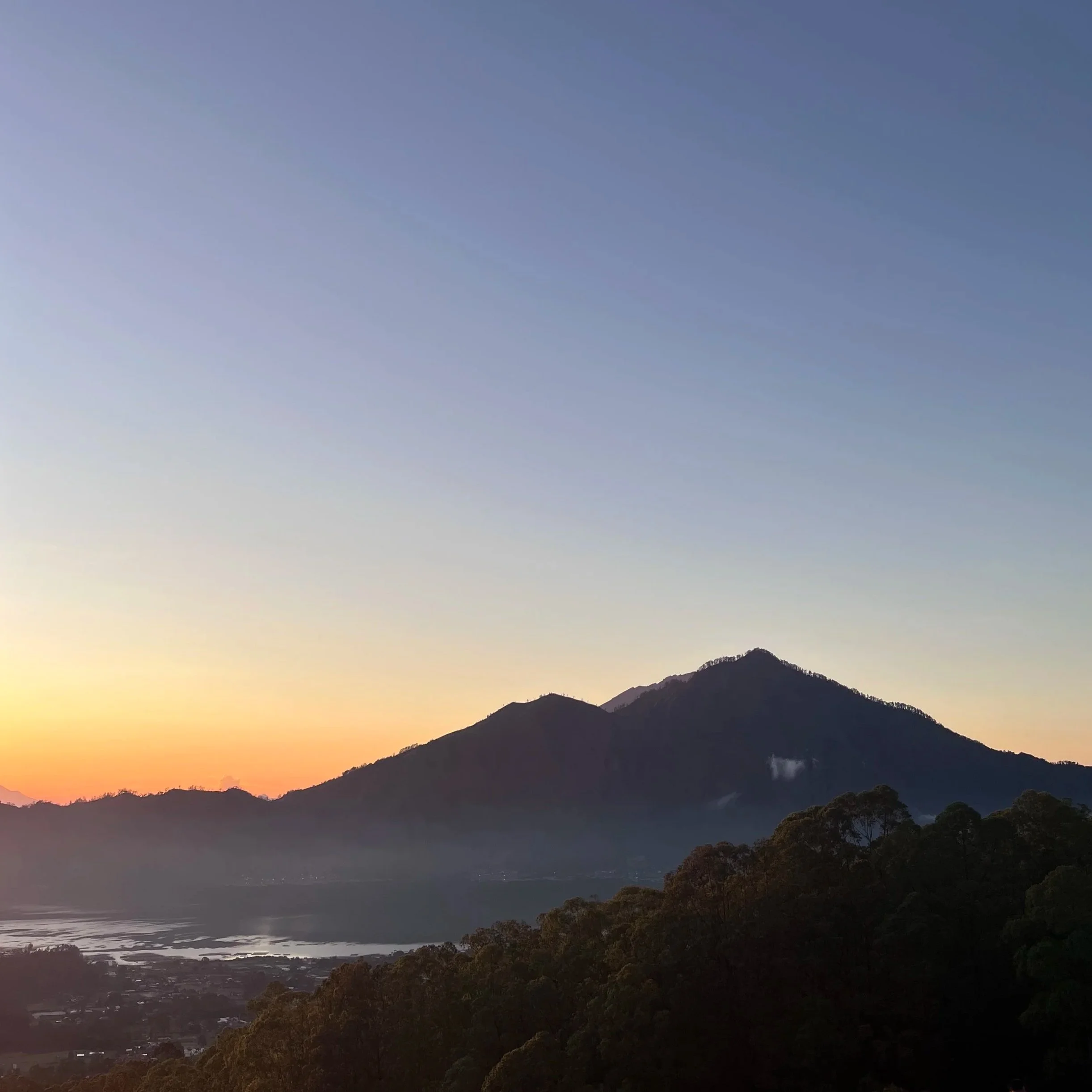
Mount Batur
UBUD, BALI
A popular sunrise volcano hike offering panoramic views over the caldera lake and surrounding mountains.
-
![]()
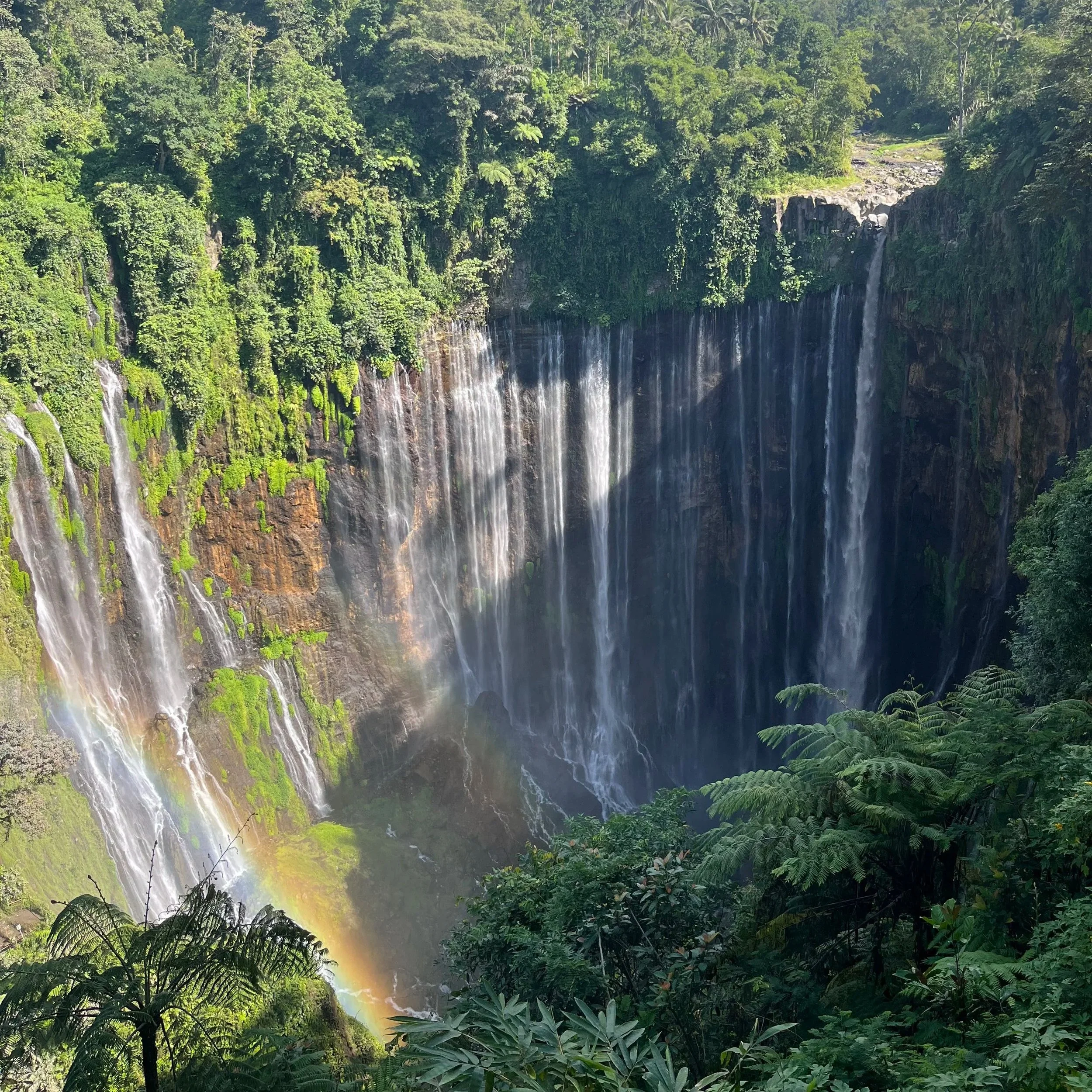
Tumpak Sewu Waterfall
EAST JAVA
A dramatic, curtain like cascade dropping into a lush jungle canyon, often called one of the most breathtaking waterfalls in Indonesia
-
![]()
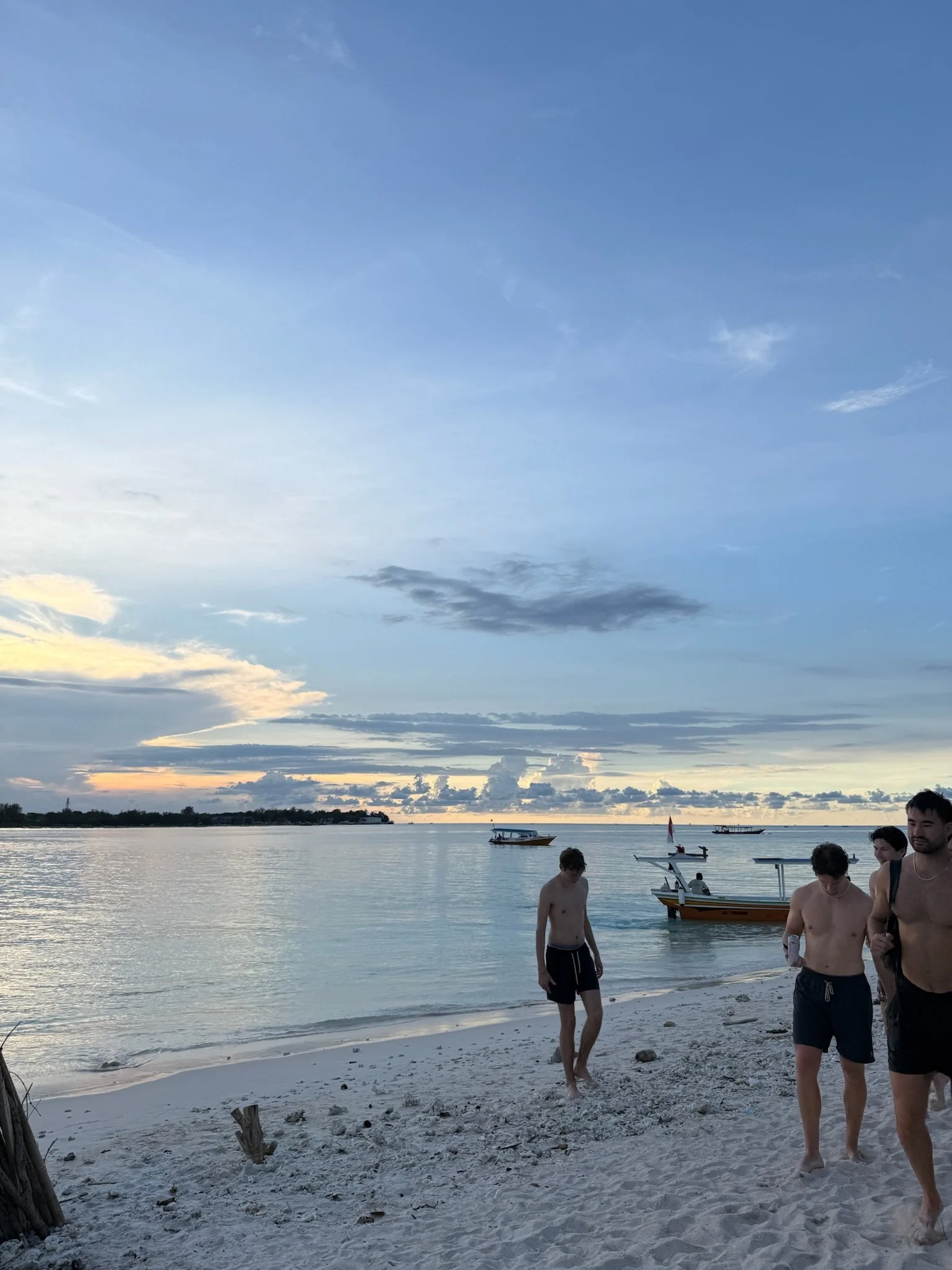
Gili Meno Beach
GILI ISLANDS, LOMBOK
A quiet stretch of white sand and clear turquoise water, perfect for peaceful swims, snorkelling, and slow island living.
-
![]()
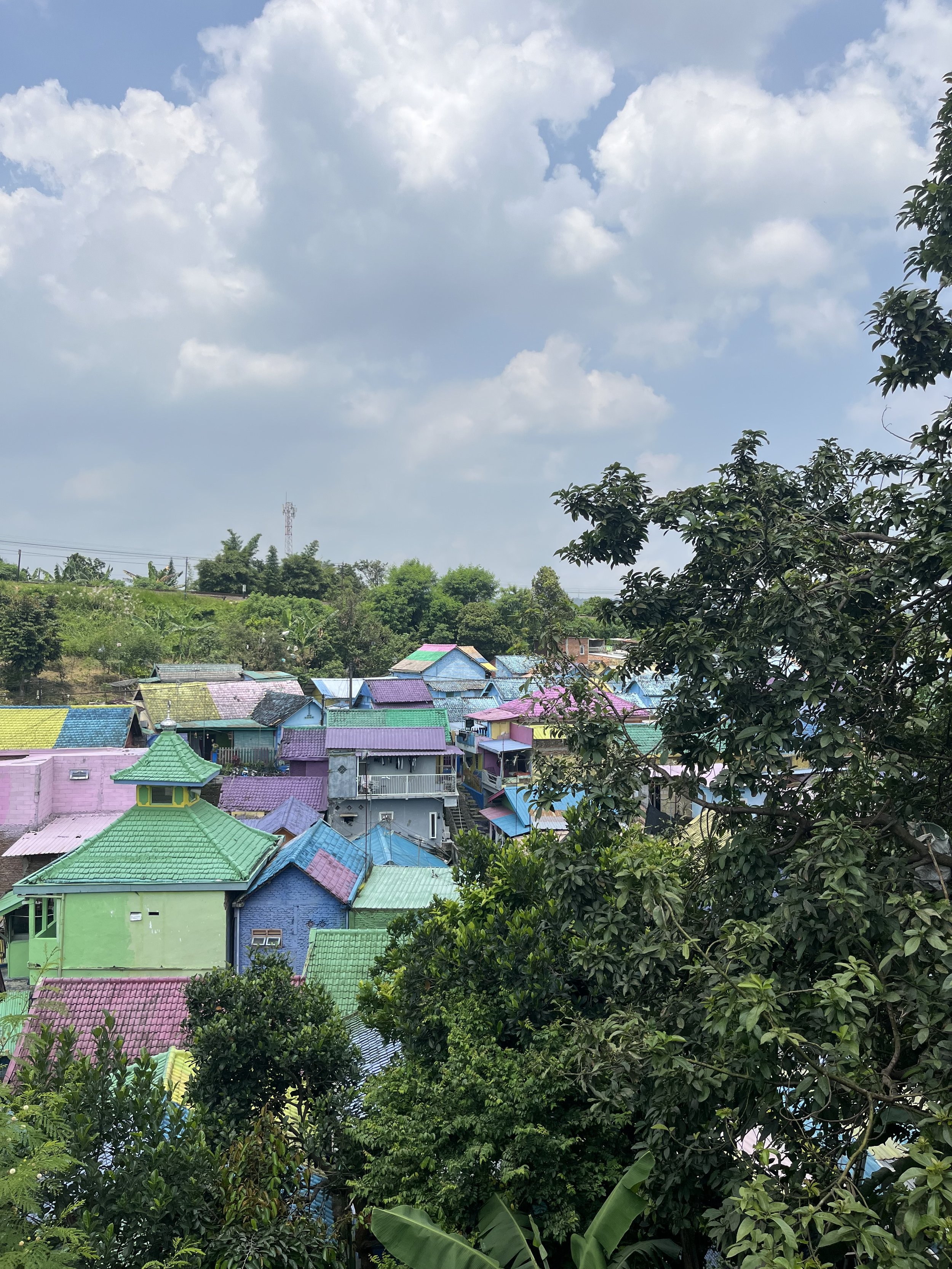
Rainbow Village
EAST JAVA
A once‑ordinary riverside neighbourhood transformed into a vibrant maze of colourful murals and painted houses.
-
![]()
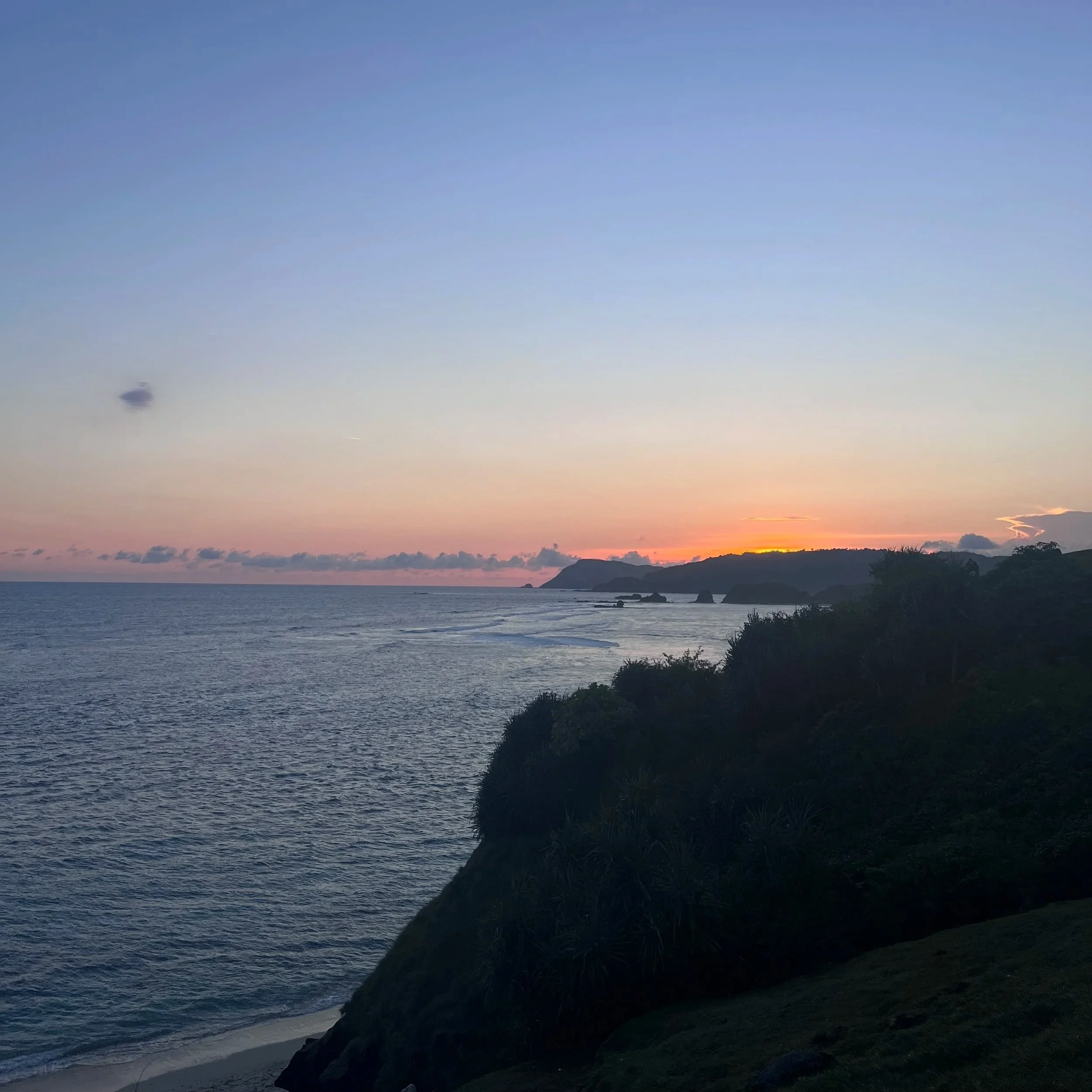
Bukit Merese
LOMBOK
A beautiful hilltop viewpoint with sweeping coastal panoramas, golden sunsets, and some of the most scenic landscapes in southern Lombok.
-
![]()
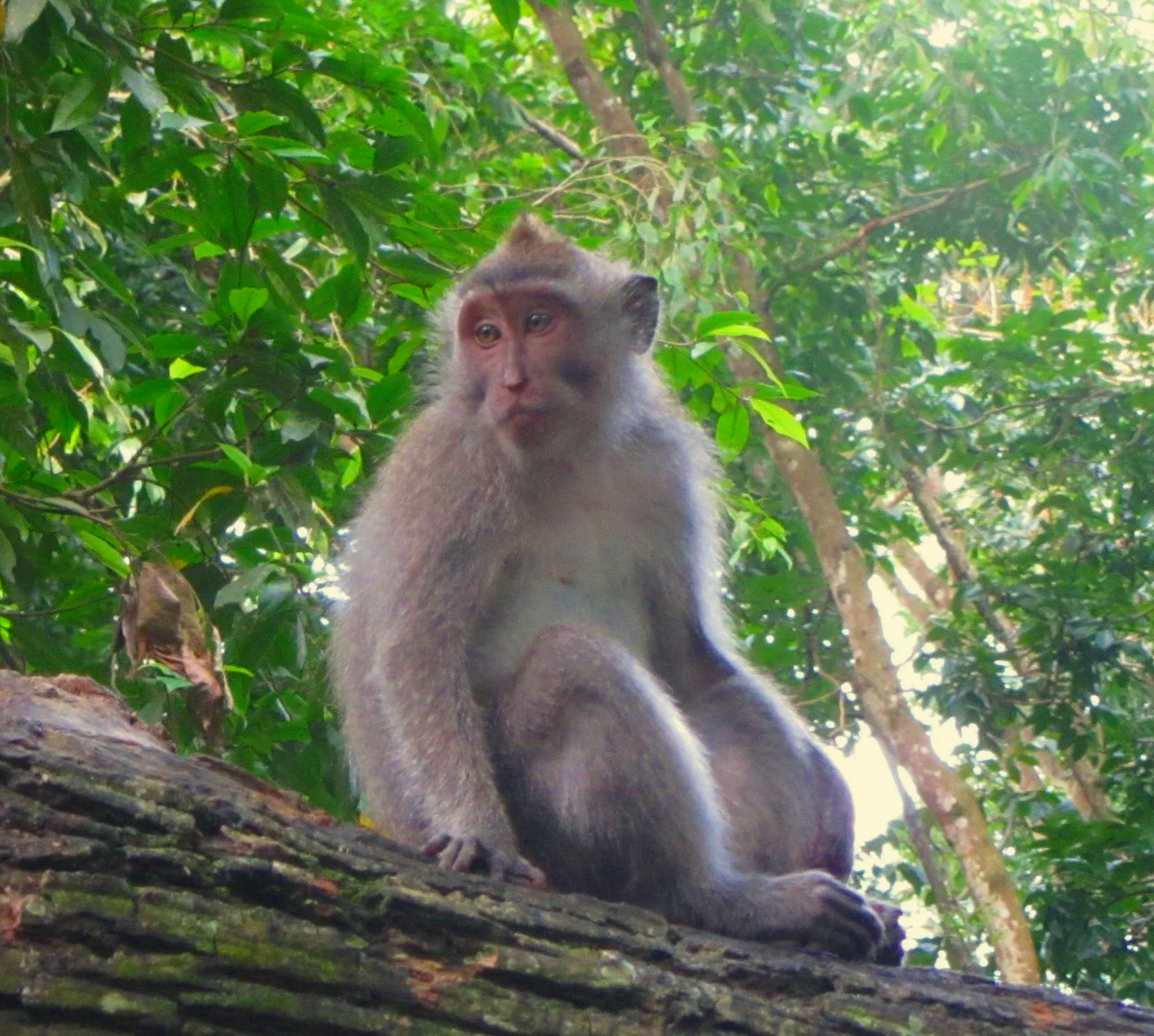
Monkey Forest
UBUD, BALI
A sacred jungle sanctuary filled with ancient temples, towering banyan trees, and free‑roaming macaques in the heart of Ubud.
Entry Requirements
Passport must be valid for at least six months from the day you arrive. Immigration officers also require two blank pages for entry and exit stamps, so it’s worth checking this before you travel. As long as your passport meets these two requirements, you’ll have no issues at the border.
VISA is mandatory most travellers use the Visa on Arrival, which you can get at major airports and ports, or you can apply online for the e‑VOA before you fly. Both options give you 30 days in Indonesia and can be extended once for another 30 days if you decide to stay longer. You’ll also need to show an onward or return ticket when entering the country.
Digital Arrival Card is a simple digital form covering immigration, customs, and basic health questions. Once submitted online, you’ll receive a QR code to show on arrival. You can also fill this out once you land as the airports have machines but it is recommended to complete beforehand as it helps speed up the entry process.
Vaccinations are not mandatory for most travellers entering Indonesia. The only exception is if you’re arriving from a country with a yellow‑fever risk, in which case you may need to show a certificate. Otherwise, you can enter without any additional medical documents.
Cash is the preferred across Indonesia, and while ATMs are widely available in cities and airports, smaller shops, markets, and rural areas often prefer cash. It’s a good idea to withdraw money when you arrive so you have small notes handy for taxis, food stalls, and local shops. Card payments are common in bigger towns, but cash is still useful day‑to‑day.
SIM Cards for getting connected is easy. You can buy a SIM at the airport or in town, and setup usually takes just a few minutes. The best option is to get an E-SIM Airlo offer the best coverage across most islands, and data packages are very affordable. Having mobile data makes it easier to use maps, order transport, and stay in touch while travelling.
Travel Insurance isn’t required to enter Indonesia, but it’s strongly recommended. Medical care, scooter accidents, diving injuries, and island transfers can become expensive without cover. Most travellers choose to have insurance for peace of mind, but if you decide to travel without it, that’s completely your choice — just be aware of the potential costs if something unexpected happens.
SCOOTER RENTAL
To ride legally, you need a UK motorbike licence (Category A) and the 1949 IDP with the motorcycle section.
A UK car licence (Category B) and 1968 IDP isn’t officially valid for scooters, no matter the engine size.
Most travellers still ride with only a car licence, because rental shops rarely check and it’s very common in tourist areas.
If police stop you, it’s usually just a small on‑the‑spot fine, and many people choose to take that risk.
The main thing to know is that riding without the correct licence can make your travel insurance invalid, so the risk is yours to decide.
Backpacker Budget
Travelling on a lower budget in Indonesia is very doable, and you can still have a great experience without spending much. Accommodation, transport, and day‑to‑day costs are generally affordable, so it’s easy to keep expenses low while exploring the islands. This style suits anyone who prefers to keep things simple and stretch their trip further without compromising on the experience.
Overall: £20–£35 (per day)
Hostels: £5–£12 (per night)
Food: £1–£3 (local meals), £4–£6 (western meals)
Scooter Rental: £3–£5 (per day)
Grab/Gojek: £1–£3
Ferries: £5–£10
Activities: £1–£5 (waterfalls & parks) £10–£40 (snorkelling & hikes)
Comfortable Budget
A mid‑range budget offers a comfortable balance between value and convenience. You can stay in nice places, enjoy a variety of meals, and move between islands easily without overspending. This approach works well for travellers who want a smooth, comfortable trip while still keeping your eye on costs.
Overall: £35–£60 (per day)
Guesthouses: £20–£40 (per night)
Food: £3–£6 (local meals), £6–£10 (western meals)
Scooter Rental: £3–£5 (per day)
Grab/Gojek: £3–£10
Ferries: £10–£25
Activities: £1–£5 (waterfalls & parks) £10–£40 (snorkelling & hikes)
luxury Budget
If you prefer a more relaxed and upgraded travel experience, Indonesia still offers great value. You can stay in higher‑end accommodation, enjoy more organised transport, and choose activities that make your trip feel effortless. This style is ideal for travellers who want comfort, ease, and a bit more space to enjoy their time.
Overall: £60–£120 (per day)
Hotels/Villas: £50–£120 (per night)
Food: £3–£6 (local meals), £6–£10 (western meals), £10-£20 (beach clubs)
Scooter Rental: £4–£6 (per day)
Private Driver: £25–£40 (per day)
Ferries: £10–£25
Activities: £1–£5 (waterfalls & parks) £10–£40 (snorkelling & hikes)
Indonesia is generally a safe and welcoming place to travel, and most trips are completely trouble‑free. The main things to be aware of are practical, everyday considerations rather than anything extreme. Tap water isn’t drinkable, so bottled or filtered water is the norm. Roads can be busy, especially in popular areas, so take your time when crossing streets or riding scooters. Beach currents can be strong in some regions, so it’s worth checking local conditions before swimming.
ATMs are widely available, and using machines attached to banks is usually the most reliable option. In busy tourist spots, it’s sensible to keep an eye on your belongings, just as you would anywhere else. Indonesia is a very friendly country, and a bit of awareness goes a long way — most travellers feel comfortable and relaxed throughout their trip.
Cultural Etiquette
Indonesia is known for its kindness and gentle way of life, and a few small gestures can make your experience even more enjoyable. People appreciate politeness, patience, and a relaxed attitude, and you’ll notice that interactions often feel calm and respectful. When visiting temples or cultural sites, dressing modestly is appreciated, and removing your shoes before entering certain buildings is common. Using your right hand when giving or receiving items is considered polite, and keeping your voice low in public spaces is seen as a sign of respect.
Overall, Indonesian culture values friendliness and humility. A smile goes a long way, and showing interest in local customs is always welcomed. Travelling with an open mind and a bit of awareness helps you connect more deeply with the people and places you visit.
ROUTES
2 Weeks
You won’t fit every island into 2 weeks, so the best approach is to choose one main region and a couple of nearby islands.
Recommend Route:
East Java, Ubud, Uluwatu, Nusa Penida, Gili Islands. Lombok
3 WEEKS
This gives you enough time to combine adventure, beaches, and island‑hopping and see most of the countries highlights.
Recommend Route:
East Java, Ubud, Uluwatu, Nusa Penida, Gili Islands, Lombok, Komodo Islands, Canggu
4 Weeks
A full month gives you the freedom to see all the best islands at a comfortable pace without feeling too rushed.
Recommend Route:
East Java, Ubud, Uluwatu, Nusa Penida, Gili Islands, Lombok, Komodo Islands, Raja Ampat, Canggu
Equipement
This brings together the core gear I’ve found genuinely useful while backpacking. Simple, reliable essentials that make travel smoother and more organised.
Over time I’ve tested different setups and learned what actually earns its place in my luggage. Here you’ll find the equipment, carry gear, and tech that consistently make life on the road easier without overcomplicating things.
Packing Lists
These packing lists come from my own time backpacking and learning what actually helps when you’re living out of a bag for a while.
Over time I’ve figured out what’s worth carrying, what isn’t, and the small habits that make packing feel less chaotic. Think of these lists as a simple foundation you can build on as you plan your own adventures.